CAS 108-05-4 · VAM · 99.9% min
Sinopec Vinyl Acetate Monomer
Inhibited, specification-controlled vinyl acetate monomer for PVAc, PVOH, VAE and EVA production — supplied in drums, ISO tanks and bulk.



About the Manufacturer
Monomer consistency is a process discipline, not a promise.
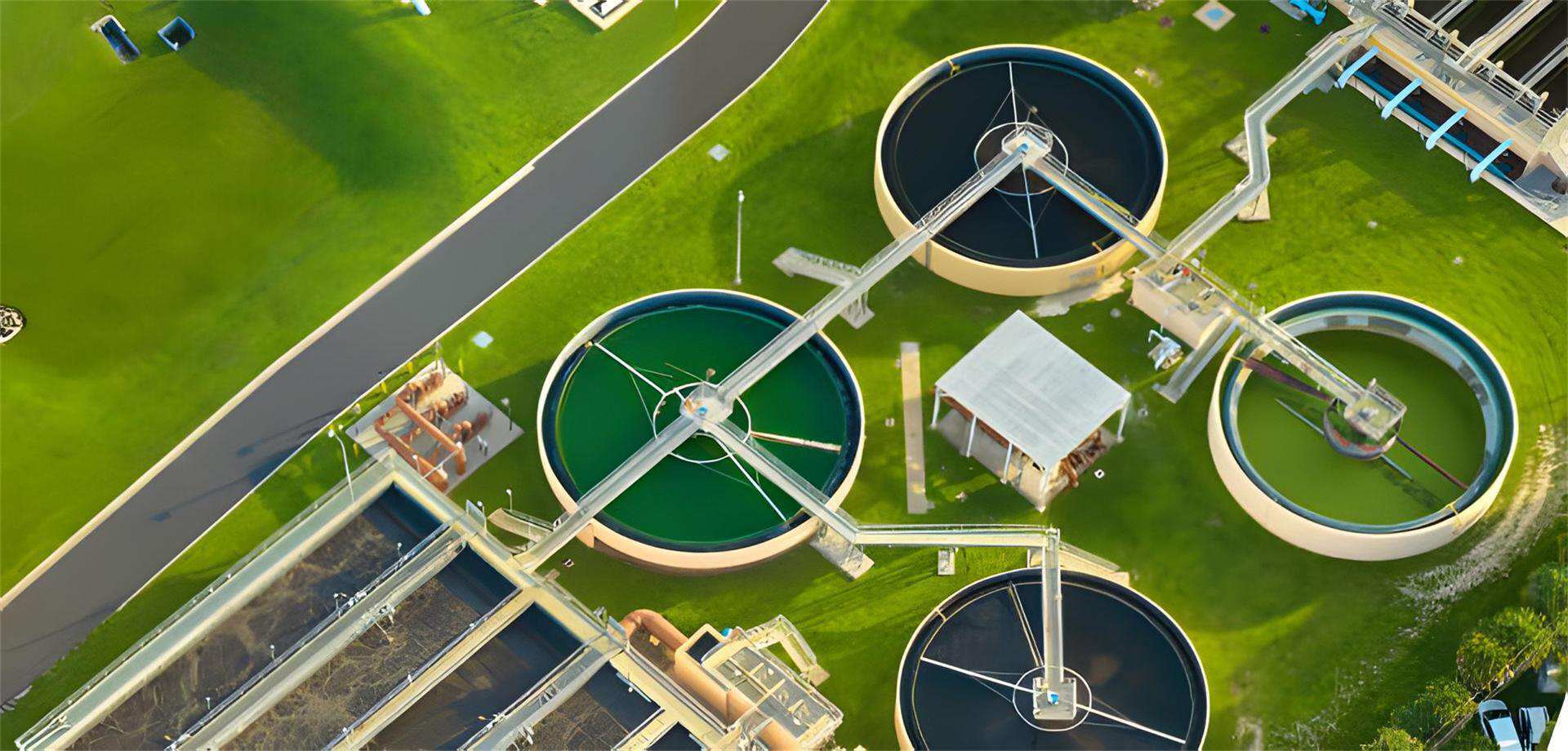
Vinyl acetate is a reactive monomer with a narrow band between stable storage and runaway polymerisation. That is why our vinyl acetate operations are organised around continuous process control rather than batch-to-batch improvisation: reaction conditions are held inside defined limits, and every lot is analytically released against the published specification before it is assigned to a shipment.
Production is supported by in-house analytical capability — gas chromatography for purity and organic impurities, Karl Fischer titration for water, and titrimetric checks for acidity and aldehyde content — so the figures released to a customer match the figures in the tank. Our quality management follows internationally recognised quality standards, and handling, packaging and labelling are aligned with the transport requirements for UN 1301 flammable liquids.
Because most volume moves as ISO tank and bulk parcels, we plan supply against customer consumption rather than against spot availability: allocated monthly volume, stable inhibitor dosing, and documentation issued in the format each destination requires. The result is a feedstock you can schedule against, not one you have to chase.
- Continuous control of reaction and purification
- Lot-by-lot analytical release before shipment allocation
- Inhibitor dosing matched to transit time and climate
- Export documentation aligned with UN 1301, Class 3, PG II
Product Overview
A specification-controlled feedstock for vinyl acetate chemistry.
Sinopec vinyl acetate monomer (VAM; CAS 108-05-4; C₄H₆O₂; molecular weight 86.09) is a clear, colourless, mobile liquid with a characteristic sweet, ester-like odour. It is produced industrially by the vapour-phase reaction of ethylene and acetic acid over a supported catalyst, followed by distillation to remove acetic acid, water and light ends.
The vinyl group makes VAM a versatile comonomer. It homopolymerises to polyvinyl acetate, hydrolyses to polyvinyl alcohol, copolymerises with ethylene to give VAE emulsions and EVA resins, with vinyl chloride to give vinyl chloride-vinyl acetate copolymers, and with acrylates to give vinyl-acrylic latexes. Because the monomer is fully consumed during polymerisation, the performance of the finished polymer is set by the purity of the feed.
Our Sinopec VAM is supplied hydroquinone-inhibited at a minimum purity of 99.9%. Low water and aldehyde levels protect conversion and colour; low acidity protects reactor metallurgy and pH control; controlled inhibitor protects the parcel in transit.
Technical Specifications
Typical values from the published Sinopec vinyl acetate monomer specification.
Typical values only — see footnotes
Table A — Specification
| Item | Unit | Value |
|---|---|---|
| Appearance | — | Clear, colourless liquid, free of suspended matter |
| Purity (vinyl acetate) | % (m/m) | ≥ 99.9 |
| Colour | Pt-Co (APHA) | ≤ 5 |
| Specific gravity at 20 °C | g/cm³ | 0.930 – 0.934 |
| Water | ppm | ≤ 400 |
| Acidity (as acetic acid) | ppm | ≤ 50 |
| Acetaldehyde | ppm | ≤ 40 |
| Crotonaldehyde | ppm | ≤ 5 |
| Total organic impurities | ppm | ≤ 600 |
| Total aldehydes (as acetaldehyde) | ppm | ≤ 200 |
| Evaporation residue | ppm | ≤ 50 |
| Boiling range at 101.3 kPa | °C | ≤ 1 |
| Benzene | ppm | ≤ 10 |
| Polymerisation inhibitor (hydroquinone, HQ) | ppm | 14 – 16, adjustable to buyer requirement |
Table B — Physical and safety data (Typical values, not for specification)
| Property | Value |
|---|---|
| Molecular formula | C₄H₆O₂ |
| Molecular weight | 86.09 g/mol |
| Boiling point | 72.7 °C |
| Melting point | −93.2 °C |
| Flash point | −8 °C (closed cup) |
| Auto-ignition temperature | 385 °C |
| Explosive limits in air | 2.6 – 13.4 % (v/v) |
| Vapour pressure at 20 °C | 11.7 kPa |
| Relative vapour density (air = 1) | 3.0 |
| Solubility in water at 20 °C | approx. 20 – 25 g/L |
| Relative density (water = 1) | 0.93 |
| Refractive index, n20/D | 1.3953 |
| Partition coefficient, log Pow | 0.73 |
| UN number / class / packing group | 1301 / 3 / II |
Values are typical of the grade and are taken from published Sinopec vinyl acetate monomer specifications and international physical-property databases. They are provided for engineering guidance only and are not a substitute for the certificate of analysis issued with each lot.
Key Applications
Where vinyl acetate's reactivity is the point.
Because the monomer is fully consumed during polymerisation, the performance of the finished polymer is set by the purity of the feed.
Where vinyl acetate's reactivity is the point.
Polyvinyl Acetate and Adhesives
Polyvinyl Alcohol (PVOH)
VAE Emulsions
EVA Copolymers
Vinyl-Acrylic and VC-VAc Latexes
Polyvinyl Butyral and Intermediates
Handling & Stability
Reactivity is the value; stabilisation is what delivers it intact.
Vinyl acetate polymerises under the influence of heat, light and contamination. Three controls keep a parcel stable from tank to reactor: inhibitor concentration, oxygen availability, and temperature.
Inhibitor
Hydroquinone is dosed to specification; it must be present for the whole transit period and re-checked on arrival, because it is consumed over time.
Oxygen
VAM stabilisation requires a small amount of dissolved oxygen. Store under air, or an air/nitrogen balance as advised for the grade; never under pure nitrogen, which deactivates the inhibitor.
Temperature
Keep below the recommended storage ceiling and out of direct sunlight; heat raises vapour pressure and accelerates inhibitor depletion.
Contamination
Exclude strong oxidants, strong acids and bases, initiators and metal salts; use dedicated, clean, dry equipment. Do not use compressed air for filling or discharging.
Monitoring
Check inhibitor level and appearance on receipt; never return unstabilised material to a stabilised tank.
Fire safety
Flash point −8 °C, explosive limits 2.6 – 13.4 % (v/v): use explosion-proof electrical equipment, bond and earth every line, and handle in closed systems.
Supply Strengths
Planned supply for continuous operations.

01
Specification-tied quality
Every lot is released against the same published limits, so your process window does not move between deliveries.
02
Parcel flexibility
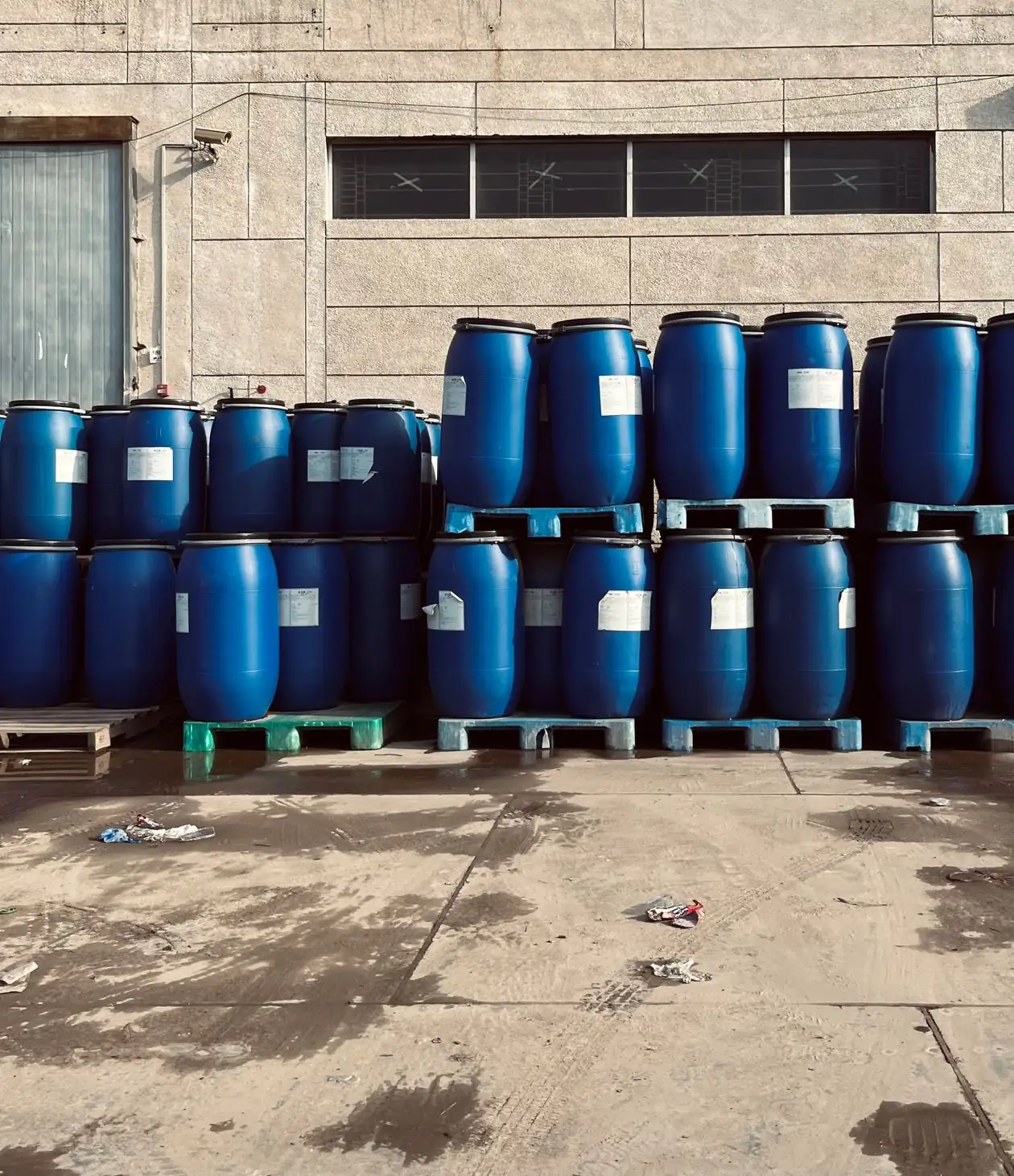
190 kg drums, ISO tanks and bulk; quantities are planned against your consumption rather than a fixed lot size.
03
Transit-aware inhibition
Inhibitor dosing and packaging are selected for route length and the climate at destination.
04
One named contact
A single account contact covers quotation, scheduling, documentation and follow-up, reachable on WhatsApp and email.
Packaging & Delivery
| Package | Net weight | Notes |
|---|---|---|
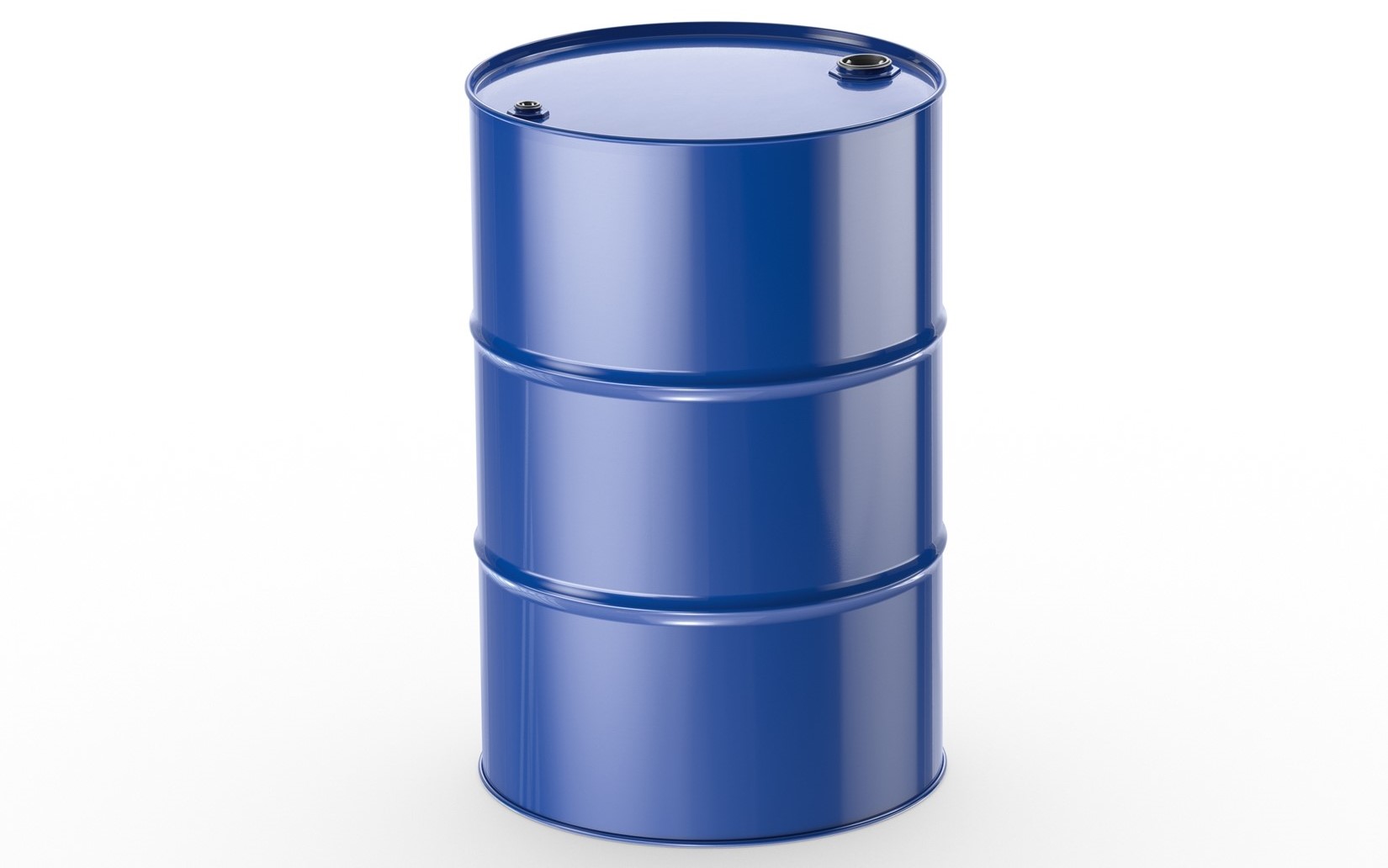
| Iron drum, zinc-coated | 190 kg per drum | 80 drums per 20' FCL, approx. 15.2 t; suits consolidation across destinations |
| ISO tank | approx. 21.5 – 22 t per tank | Best for single-consignee volume and lowest unit handling |
| Bulk tanker / shore tank | On request | Port-side storage and direct transfer where available |
All packagings are filled under closed conditions with inhibitor verification before dispatch. Labelling follows UN 1301 requirements, and shipping documents are issued in the format required by the destination authority.
- Shipment windows confirmed against production allocation, not spot stock
- Loading inspection and photographic record at the fill point
- Drum counts and palletising matched to your unloading equipment
- Consolidation available for trial orders ahead of contract volume
News & Insights
Short technical and commercial notes from the vinyl acetate chain.
Group: Sinopec Vinyl Acetate Monomer
Inhibitor Depletion: The Real Shelf-Life Clock in VAM
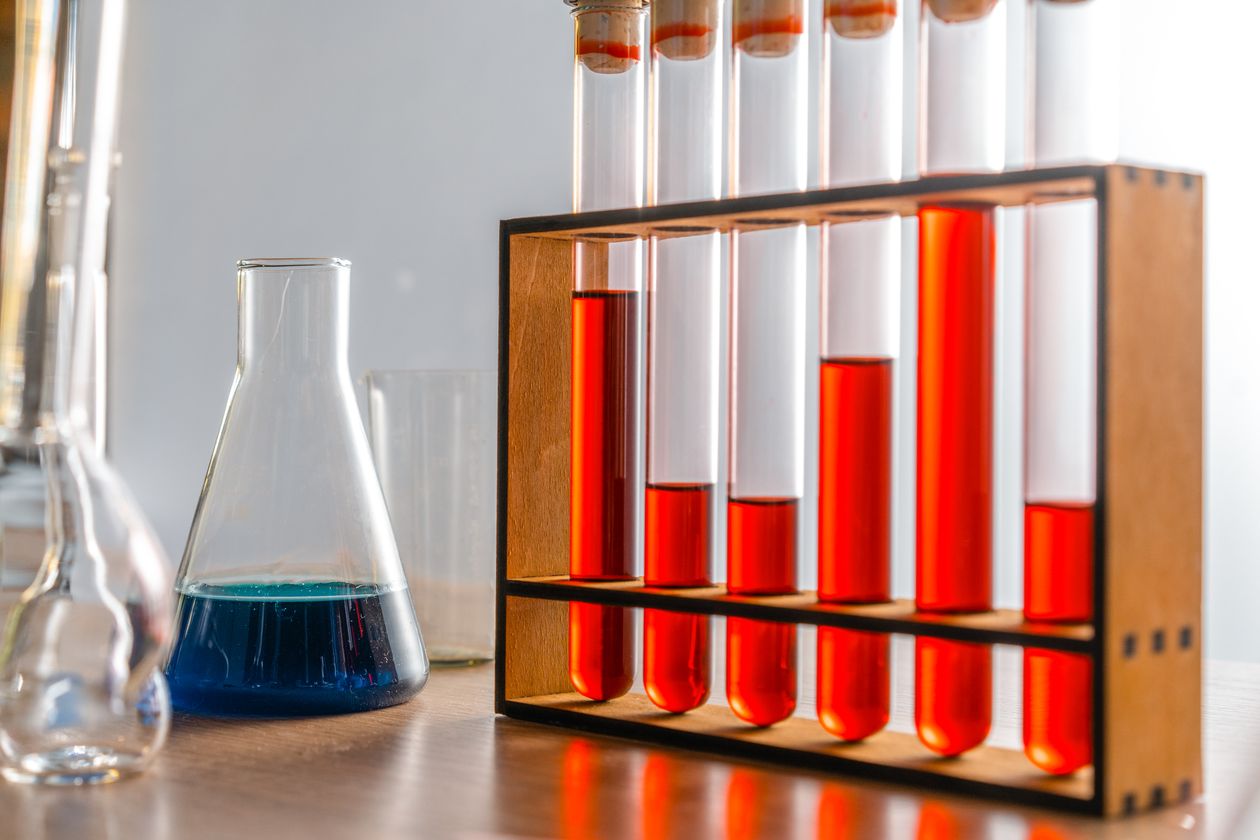
Hydroquinone is consumed steadily, and faster in warm parcels. A practical look at how inhibitor level, headspace oxygen and storage temperature interact, and why arrival testing matters more than dispatch data.
VAM, PVAc, PVOH, VAE and EVA: How the Chain Fits Together
One monomer, five product families. A plain-language map of which derivative is made by which route, and which feed specification matters most at each step.
What Moves the VAM Price: Ethylene, Acetic Acid and Turnarounds
Vinyl acetate pricing reflects both feedstock costs and unit availability. How buyers can read the signals and structure contract volume around them.

Frequently Asked Questions
Sinopec VAM is supplied at a minimum purity of 99.9%, hydroquinone-inhibited, with limits on water, acidity, aldehydes, evaporation residue and benzene. The controlled specification sheet governs contractual supply.
Zinc-coated iron drums of 190 kg, ISO tanks of roughly 21.5 to 22 t, and bulk parcels where port-side storage is available. Drum quantities can be consolidated for trial volume.
Inhibitor is dosed to specification and the parcel is filled under closed conditions; packaging and insulation are selected according to route length and destination climate, and inhibitor level is verified before dispatch.
Keep well closed and out of direct sunlight, below the recommended storage ceiling, away from strong oxidants, acids, bases and initiators. Maintain inhibitor level, keep dissolved oxygen as advised for the grade, and avoid pure nitrogen blanketing.
Quotations normally follow within one business day of receiving specification, volume and destination. Schedules are confirmed against production allocation, so the shipment window is firm rather than indicative.
Yes. Monthly allocated volume with a fixed specification and stable inhibitor dosing is the normal arrangement for polymer and emulsion producers running continuous operations.
Dosing and packaging are matched to the expected transit duration and ambient temperature profile, and the agreed level is confirmed in the supply agreement.
Contact Our Team
Send your specification, volume and destination — a quotation follows.
Bepa Zhu
Sales contact — Sinopec Vinyl Acetate Monomer

Replies within one business day. WhatsApp is the fastest route for urgent parcel requests.


